Specify the powder basis
Confirm Al2O3 content, basicity and application-relevant limits using stated methods and units.
A nominal assay or powder color is not a complete quality or treatment specification.
Qualify make-down capacity
Use the grade's dissolution instructions with actual preparation water, temperature, mixer and useful tank volume.
Record concentration, preparation timing and relevant residue checks at the intended throughput.
Protect bags and feed
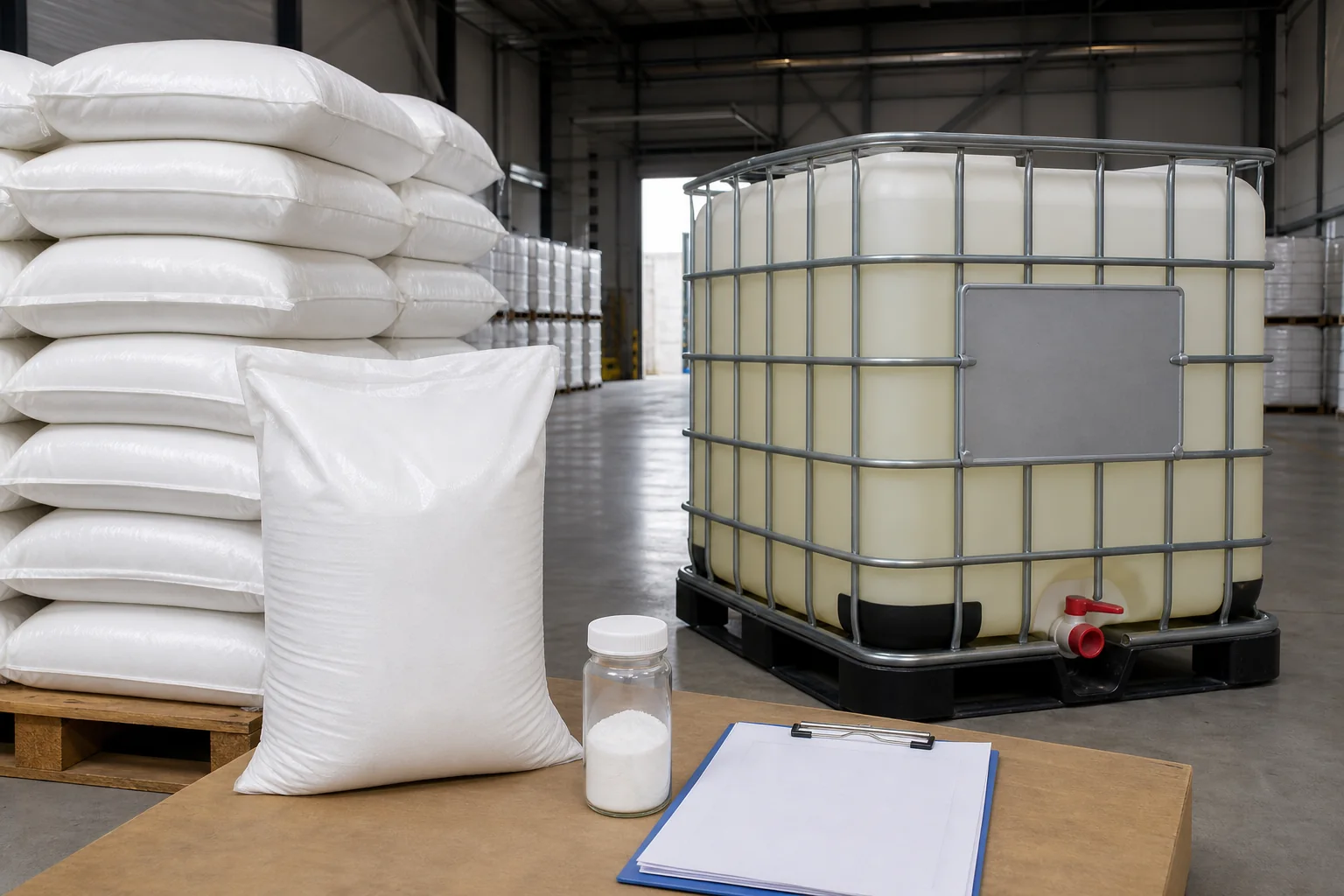
Agree liner, closure, pallet, dry storage and damaged-bag quarantine before trial delivery.
Moisture exposure and poor make-down can change usable performance without changing the printed trade name.
Compare on accepted water output
Test a practical dose and pH range with the incumbent, matching mixing and separator conditions.
Include preparation, correction and solids-handling costs beside the delivered product price.
Release a traceable powder grade
Keep sample, assay, basicity, lot, COA, SDS, packaging and approved procedure connected.
Do not inherit drinking-water qualification or a previous liquid-grade approval without the required review.
Carry the treatment evidence into purchasing
Keep water analysis, product identity, preparation, final pH, mixing and separation results attached to the buying decision. Resolve the relevant next questions with 30% Al2O3 PAC Powder: What to Check Before Buying; PAC Al2O3 Content: Write a Comparable Purchase Specification; PAC Packaging and Storage: Plan Liquid and Powder Purchases; PAC COA and First-Lot Acceptance: Match Supply to the Sample.
A technically accepted candidate still needs an identifiable supply scope, current product documents and a feasible delivery and receiving plan. Record any conditions still pending. Changes in formulation, water source, production state or treatment equipment should trigger review rather than automatically inherit an earlier approval.